Why Is My Double-Pane Window Foggy? Causes & Solutions
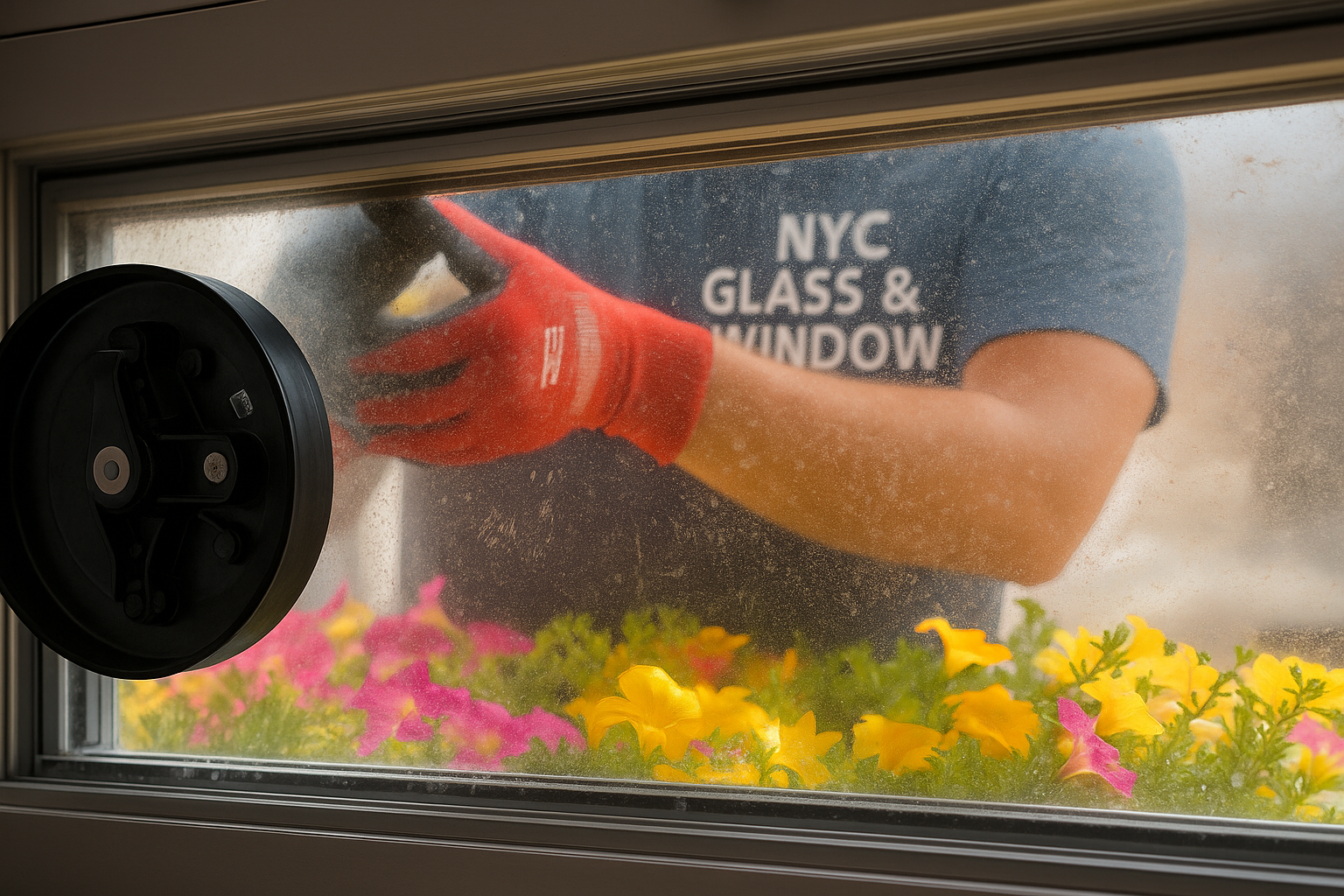
If you notice moisture, cloudiness, or streaks inside your double-pane window, you are dealing with one of the most common issues in insulated glass units (IGUs): seal failure. Foggy windows reduce insulation and increase energy bills.
⭐ Can Foggy Windows Be Repaired?
NO — the fog inside cannot be cleaned.
YES — the insulated glass unit (IGU) can be replaced without changing the window frame.
Why Do Seals Fail?
- NYC Weather: Constant expansion/contraction from temperature swings.
- Age: Most seals fail after 15–20 years.
- Humidity: Poor ventilation in bathrooms/kitchens.
- Physical Damage: Even small cracks break the vacuum seal.
Our Professional Fix
At NYC Glass & Window Repair, we perform IGU Replacement:
- Measure exact glass size.
- Manufacture a new factory-sealed double-pane unit.
- Remove the foggy glass and install the new one.
- Keep your existing frame intact to save money.

Which Glass Should You Use for Showers?
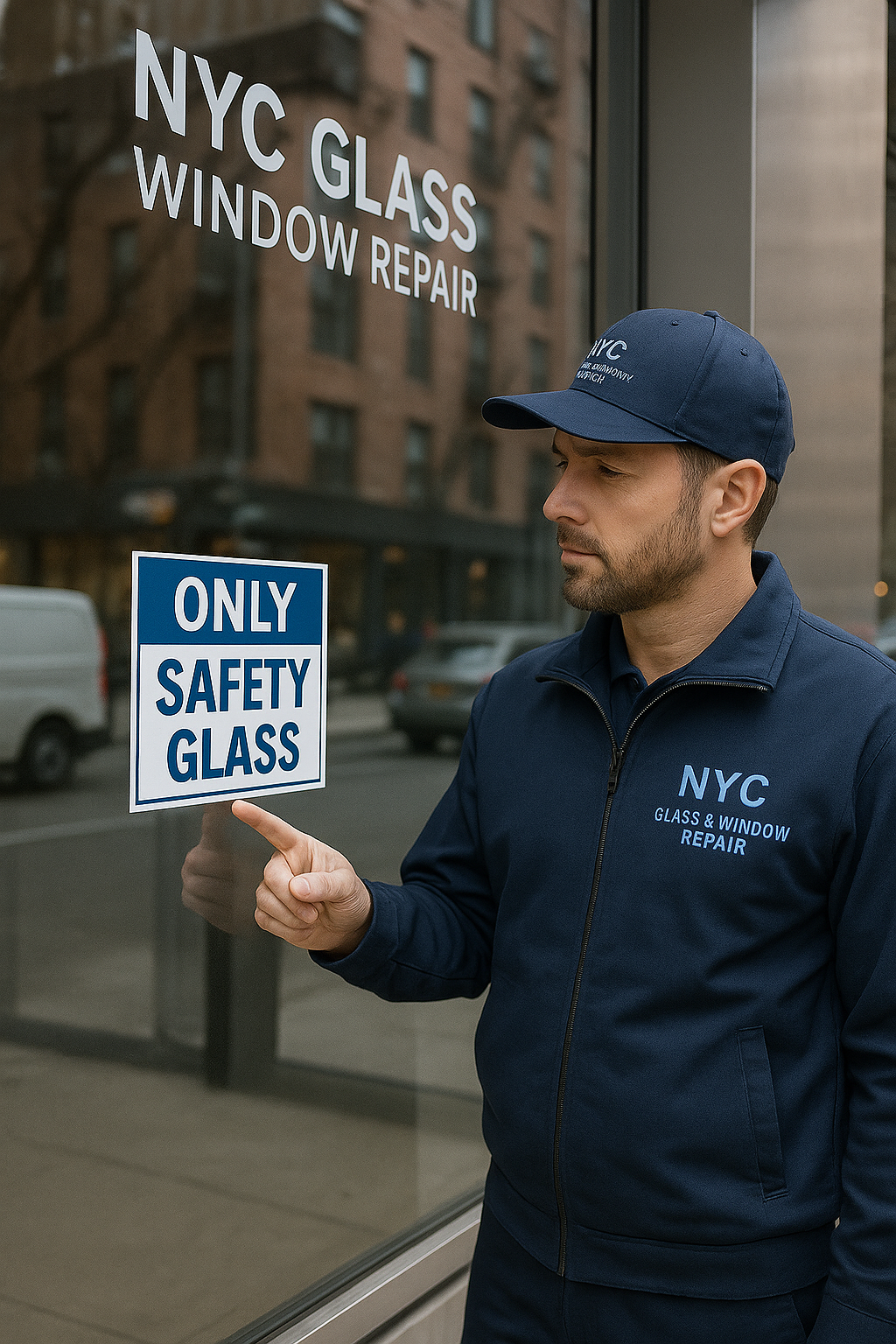
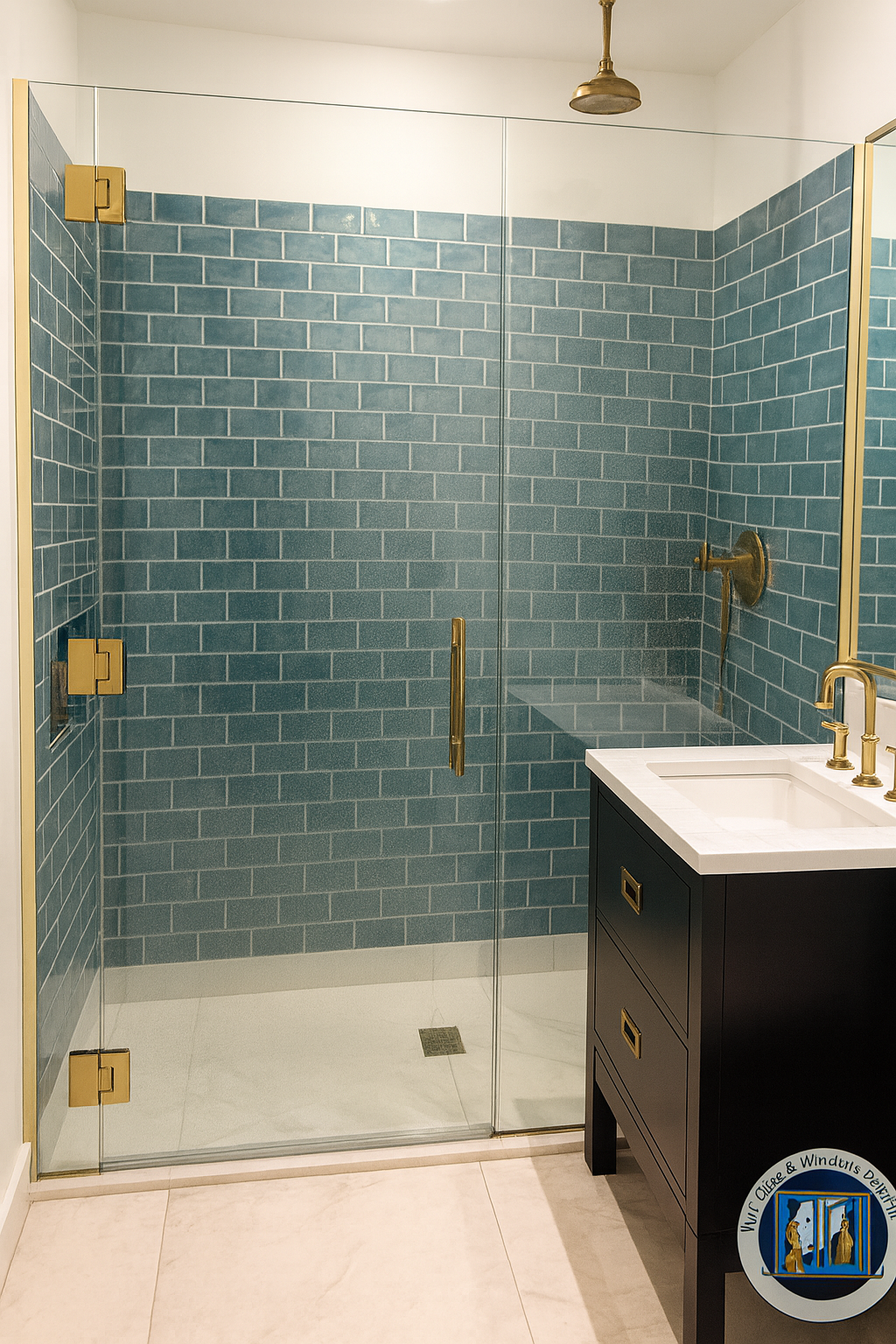
Choosing the right shower glass affects safety, durability, and aesthetics. In NYC, code requires Safety Glass in all wet areas.
1. Tempered Glass (The #1 Choice)
Heat-treated to be 4–5 times stronger than standard glass. If it breaks, it shatters into safe, blunt pebbles.
- 3/8" (10mm): Standard for frameless doors.
- 1/2" (12mm): Premium feel for luxury showers.
2. Low-Iron Glass (Ultra-Clear)
Standard glass has a slight green tint. Low-Iron glass removes this tint for crystal-clear transparency. Ideal for white or marble bathrooms.
What NOT To Use
- Annealed Glass: Dangerous shards. Illegal in showers.
- Wired Glass: Not approved for wet areas.
Which Glass Should You Use for Doors?
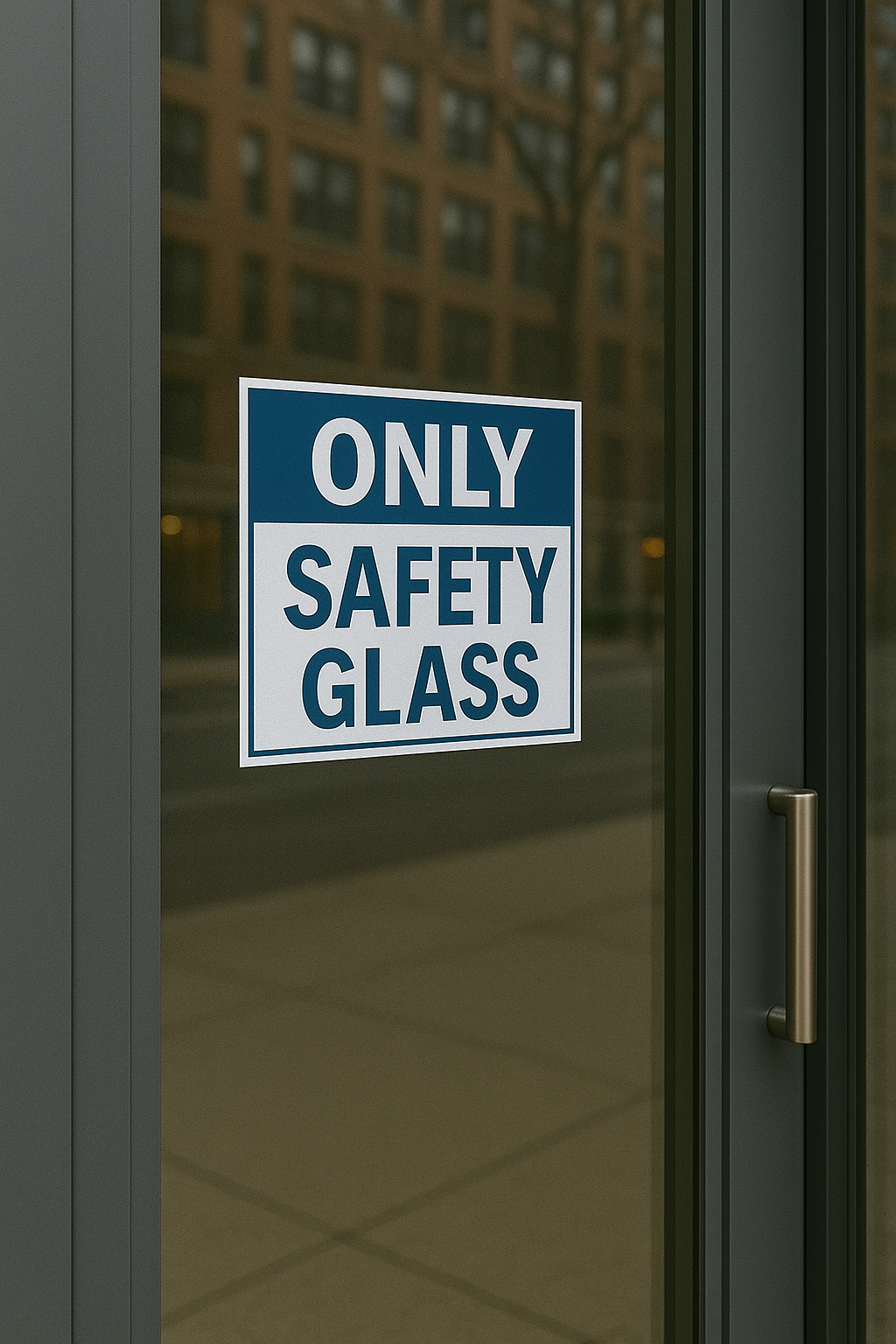
NYC building codes require safety glass for all doors to prevent injury. Using regular glass is dangerous and illegal.
Best Glass Types for Doors
Tempered Glass
The standard for residential and commercial doors. Strong, impact-resistant, and safe.
Best for: Interior doors, Sliding patios, Storefronts.
Laminated Glass
Two layers bonded with an interlayer. If broken, it holds together (like a windshield). Provides security and soundproofing.
Best for: High-security storefronts, Schools, Exterior doors.
Insulated Glass Units (IGU)
Double-pane glass for exterior doors. Must be tempered.
Best for: Patio doors, Balcony doors.
Types of Glass and Their Differences: The Complete NYC Guide
Understanding glass types ensures you meet safety codes and get the best performance.
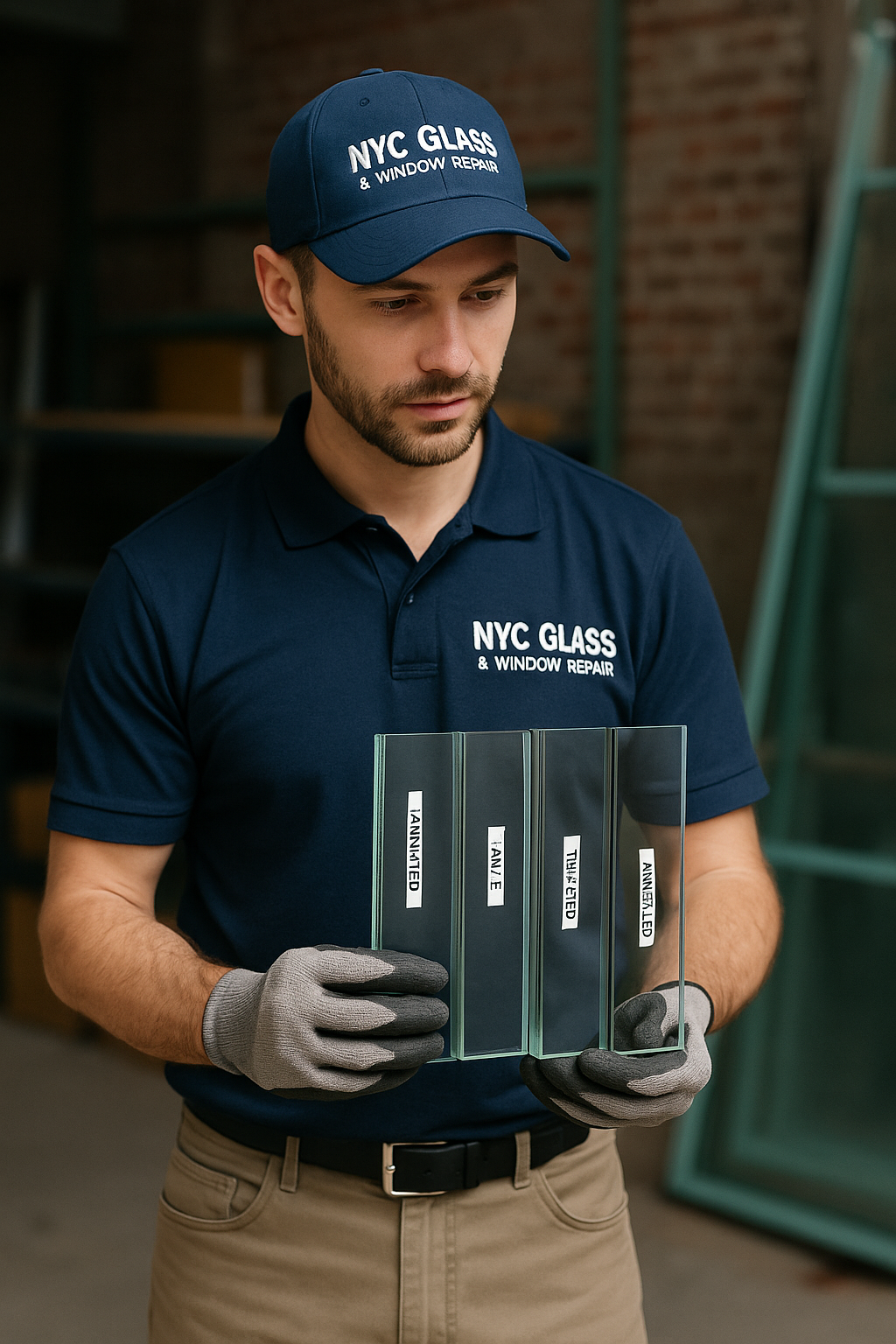
1. Annealed Glass (Standard)
Basic glass. Breaks into sharp shards.
Never use in doors or showers.
2. Tempered Glass (Safety)
4x stronger than annealed. Breaks into small pebbles.
Required for doors, showers, storefronts.
3. Laminated Glass (Security)
Held together by an interlayer. Stays intact when broken.
Best for: Soundproofing, security, skylights.
4. Low-E Glass (Energy Efficient)
Reflects heat while letting light in.
Best for: Insulated windows, reducing energy bills.
5. Wired Glass (Fire-Rated)
Contains wire mesh. Fire-resistant but not impact-resistant.
Best for: Fire doors in older buildings.
Can I Replace Just One Pane of an IGU?
If your double-pane window is cracked, you might ask: "Can I just replace the broken side?"
❌ The Answer is NO.
You cannot replace only one pane of a double-pane window. Breaking the seal destroys the vacuum/gas chamber.
Why?
- Seal Failure: The two panes are a single sealed system. Opening it lets moisture in immediately.
- Fogging: "Repaired" single panes will fog up within weeks.
- Code Violation: Modifying an IGU compromises safety ratings.
The Correct Solution: IGU Replacement
We replace the entire insulated glass unit (both panes + spacer + seal) as one piece. We install it into your existing frame.
Result: Restored insulation, no fog, and a factory-fresh seal.