Which Windows Are More Energy Efficient: Double-Hung vs Casement vs Tilt-Turn?
Choosing the right window style can significantly reduce heating and cooling costs in NYC. We compare the three most common styles below.
1. Double-Hung Windows (Classic)
Efficiency Rating: Moderate
The most common style in NYC. Because they slide, they rely on brush seals which are less airtight than compression seals.
- Best for: Window AC units compatibility.
- Performance: Good with premium weatherstripping, but not the tightest seal.
2. Casement Windows (Crank-Out)
Efficiency Rating: High
These hinge on the side and crank outward. When closed, the sash presses tightly against the frame.
- Best for: Windy areas (wind pushes the seal tighter).
- Performance: Excellent airtightness and insulation.
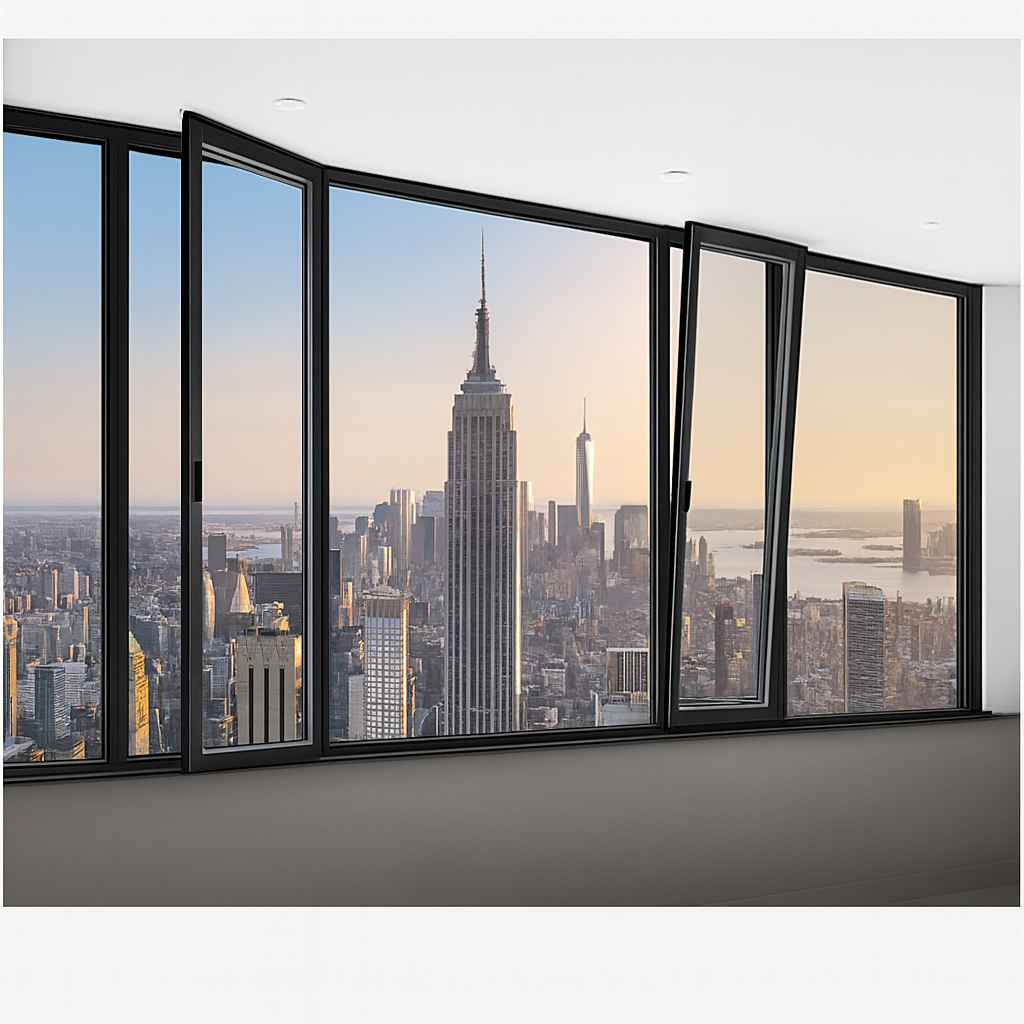
3. European Tilt-Turn Windows (The Best)
Efficiency Rating: Very High (Industry Leading)
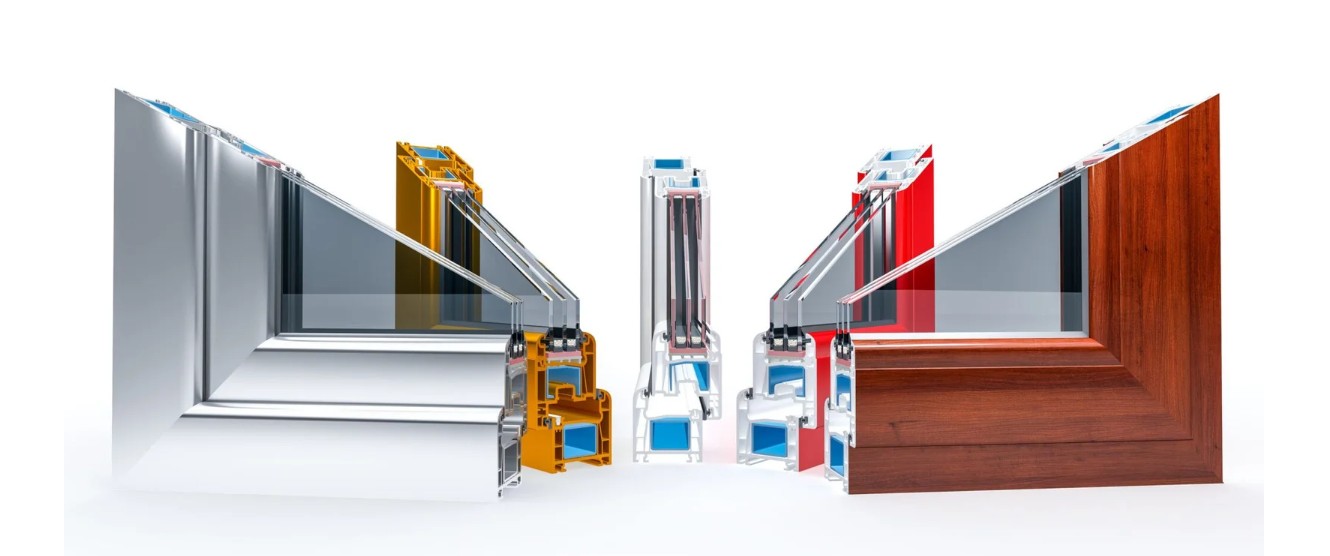
The gold standard for efficiency. They feature a full perimeter multi-point locking system that creates a perfect airtight compression seal.
- Best for: Passive House standards, maximum soundproofing, luxury renovations.
- Features: Supports triple-pane glass and thick uPVC/Aluminum frames.
Comparison Table
| Window Type | Airtightness | Insulation | Best For |
|---|---|---|---|
| Double-Hung | Moderate | Moderate | General Use / AC Units |
| Casement | High | High | Windy Areas |
| Tilt-Turn | Very High | Very High | Max Efficiency |
What Window Frame Material Is the Best for Energy Efficiency?
The glass is important, but the frame determines if heat leaks out. Here is the definitive ranking of frame materials for NYC homes.
Top Performers
🥇 #1. uPVC (Rigid PVC)
Rating: Excellent. The best all-around performer. It naturally does not conduct heat, has multi-chamber insulation, and creates the tightest seals. Ideal for modern Tilt & Turn windows.
🥈 #2. Fiberglass
Rating: Very High. Extremely strong and thermally stable. It doesn't warp in heat or cold. Great for triple-pane glass.
🥉 #3. Wood
Rating: High. Wood is a natural insulator. Excellent performance, but requires regular maintenance (painting/sealing) to prevent rot.
Other Common Materials
- Thermally Broken Aluminum: (Modern) Good efficiency. Uses a plastic barrier to stop heat transfer. Great for commercial/modern looks.
- Vinyl (Standard): (Budget) Good insulation, but less durable than uPVC. Can warp in extreme heat.
- Standard Aluminum: (Old Style) Poor efficiency. Conducts heat and cold easily. Avoid unless thermally broken.
Material Comparison
| Material | Insulation | Durability | Best For |
|---|---|---|---|
| uPVC | ⭐⭐⭐⭐⭐ | ⭐⭐⭐⭐ | Max Efficiency |
| Fiberglass | ⭐⭐⭐⭐⭐ | ⭐⭐⭐⭐⭐ | Strength + Efficiency |
| Wood | ⭐⭐⭐⭐ | ⭐⭐⭐ | Historic Homes |
| Aluminum (Standard) | ⭐ | ⭐⭐⭐⭐⭐ | Commercial Only |