Window Types Explained: Double Hung, Casement, and Tilt & Turn
Which Is Best for Your NYC Home?
Choosing the right window type for your home or building can dramatically improve comfort, airflow, energy efficiency, and overall property value. In a city like New York — where buildings range from pre-war brownstones to modern luxury high-rises — each window style offers unique benefits.
At NYC Glass & Window Repair, we service, replace, and install all major window types. Below is a clear, expert explanation of the three most popular styles.
1. Double-Hung Windows — The Classic NYC Window
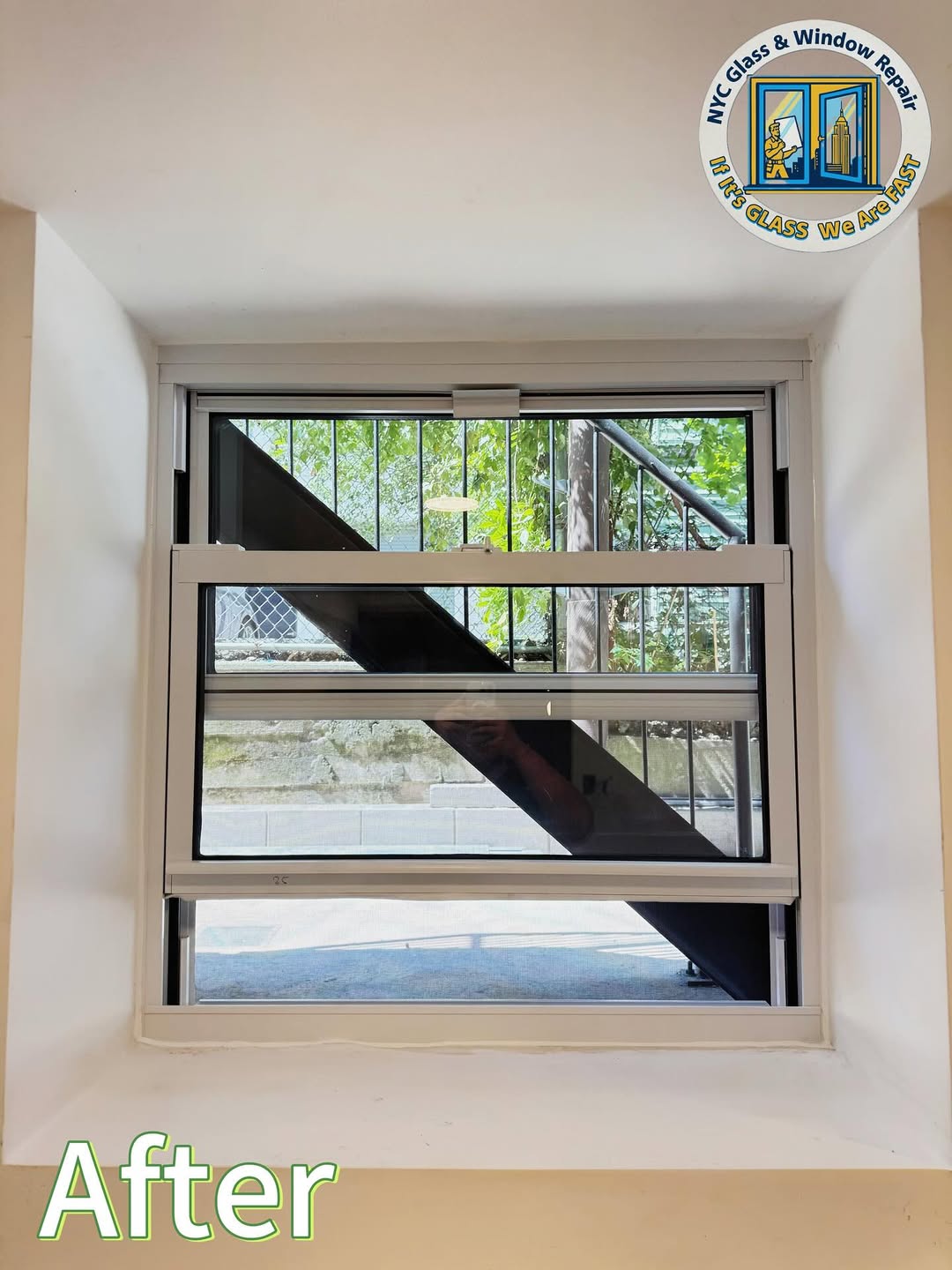
Double-hung windows are one of the most common window styles in NYC apartments, condos, and townhouses. They feature two sashes that move up and down within the frame.
✔ How They Work:
- Upper sash: Moves downward
- Lower sash: Moves upward
- Many models also tilt inward for cleaning
✔ Advantages:
- Ideal for areas facing sidewalks or fire escapes (no outward extension)
- Easy cleaning with tilt-in sashes
- Great ventilation with both sashes open
- Affordable and widely available
- Works with window AC units
✔ Best For:
Bedrooms, Living rooms, Pre-war buildings, Multi-family properties, Homes requiring window AC installation.
✔ Common Problems We Repair:
Broken balances, Hard-to-open sashes, Drafts, Foggy glass, Misaligned frames, Locking issues.
2. Casement Windows — Maximum Ventilation
Casement windows are hinged on the side and open outward using a crank handle. They are extremely popular in modern construction and energy-efficient remodels.
✔ Advantages:
- Outstanding ventilation — catches breezes like a sail
- Top-rated energy efficiency (excellent airtight seal)
- Great for hard-to-reach locations (over sinks, counters)
- Modern, clean appearance with unobstructed views
✔ Common Issues We Fix:
Crank mechanism failure, Sash misalignment, Seal failure causing drafts, Broken hinges.
3. Tilt & Turn Windows — Premium European Functionality
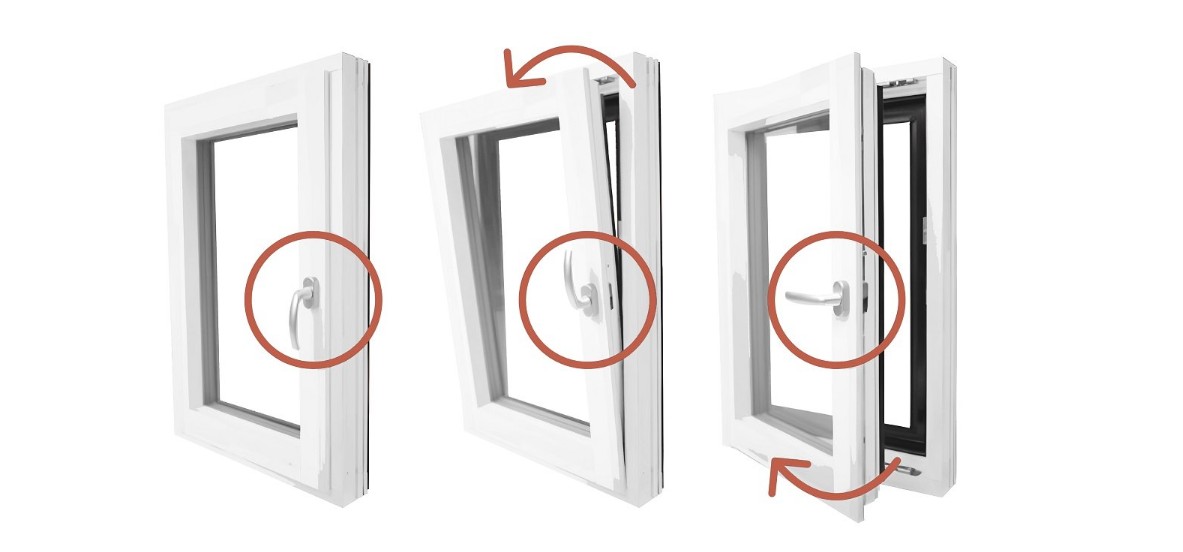
Tilt & Turn windows are becoming increasingly popular in NYC’s luxury residential market. This European-style system offers two opening functions in one window, controlled by a single handle.
✔ How They Work:
- Turn mode: Window swings inward like a door
- Tilt mode: Top tilts inward for secure ventilation
✔ Advantages:
- Exceptional ventilation options
- High security with multi-point locking
- Excellent energy performance
- Superior soundproofing when paired with laminated glass
Materials Available for All Window Types
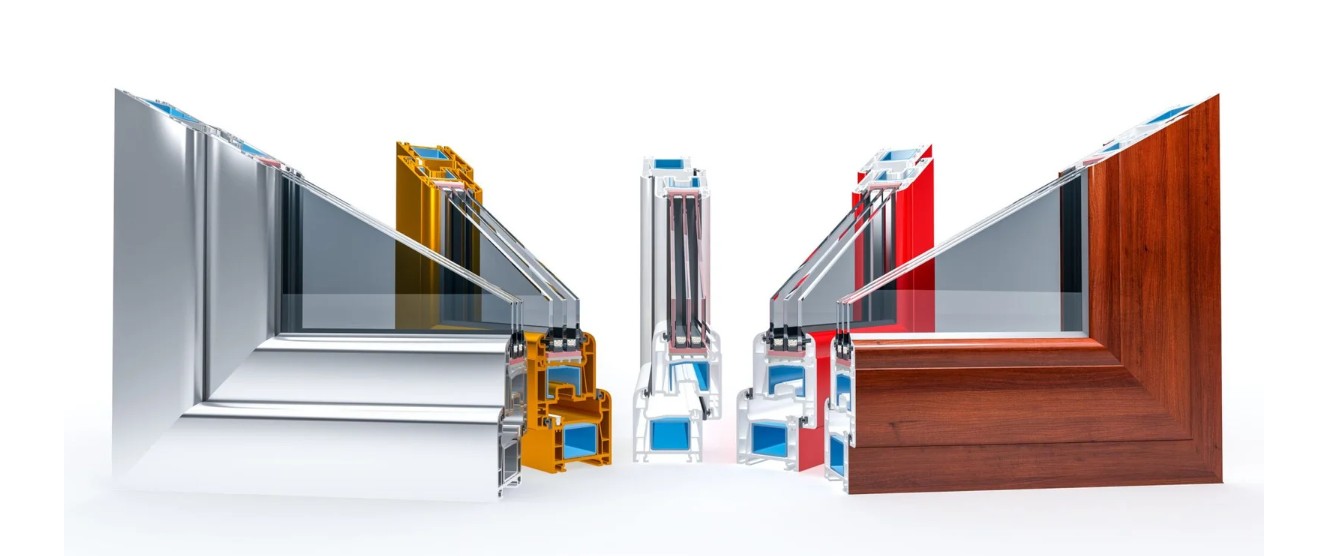
Most window styles come in several frame materials: Vinyl / uPVC, Aluminum, Wood, and Fiberglass. We supply, install, and repair all frame types.
Why Choose NYC Glass & Window Repair?
- Window repair and replacement specialists
- Licensed, insured & bonded
- Serving all 5 boroughs + Long Island + Westchester
- Fast, professional, code-compliant work
Get Expert Window Service in NYC
Call Today: 646-793-6444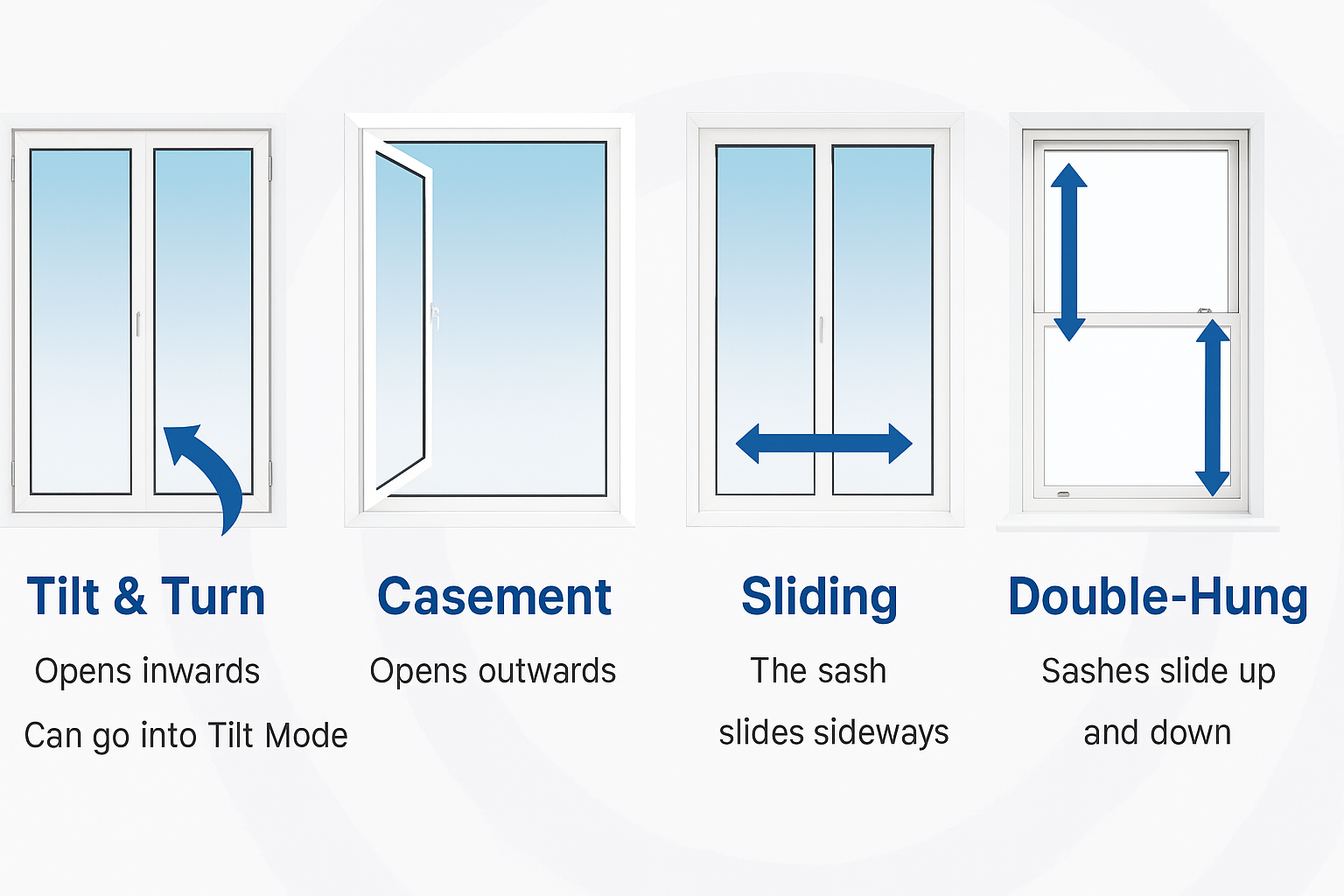
Difference Between Vinyl Windows and uPVC Windows
When searching for new or replacement windows, homeowners often come across two similar-sounding materials: Vinyl windows and uPVC windows. Although many people assume they are the same, there are important differences in durability, strength, energy efficiency, and long-term performance — especially in a demanding climate like New York City.
At NYC Glass & Window Repair, we service and install both materials and help clients choose the best option based on their building type, budget, and long-term goals. This guide breaks down the true differences between vinyl and uPVC so you can make an informed decision.
What Is Vinyl?
Vinyl windows are made from PVC mixed with plasticizers — chemicals added to increase flexibility and reduce brittleness. This makes vinyl windows more flexible, easier to manufacture, and available in more colors. Vinyl has been used for decades in residential window frames across the U.S.
✔ Benefits of Vinyl Windows
- Affordable and widely available
- Smooth, attractive appearance
- Good energy efficiency
- Low maintenance
- Many color options
⚠ Drawbacks
- Plasticizers can break down over time
- Can warp under extreme heat
- Becomes brittle in very cold climates
- Slightly lower structural strength compared to uPVC
What Is uPVC (Rigid Unplasticized PVC)?
uPVC — also known as Rigid PVC or Unplasticized PVC — is a stronger, stiffer formulation of PVC that contains no plasticizers. This makes uPVC more rigid, durable, and resistant to warping. It is the standard material used for high-quality European windows, including many Tilt & Turn systems.
✔ Benefits of uPVC Windows
- Extremely durable and rigid
- Better structural strength
- Excellent insulation and thermal performance
- Highly resistant to UV fading
- Does not warp under heat
- Fire-resistant and self-extinguishing
- Often lasts 30–50 years
⚠ Drawbacks
- More expensive than standard vinyl
- Fewer color options
- Heavier frame material (requires better hardware)
Vinyl vs uPVC — Side-by-Side Comparison
| Feature | Vinyl Windows | uPVC Windows (Rigid) |
|---|---|---|
| Material | PVC with plasticizers | PVC without plasticizers |
| Strength | Flexible, less rigid | Strong, rigid, structurally superior |
| Longevity | 15–25 years | 30–50 years |
| Warp Resistance | May soften in heat | Highly resistant |
| Energy Efficiency | Good | Excellent |
| Cost | More affordable | Higher upfront cost |
| Best For | Budget replacements | Premium / Tilt & Turn |
If you want maximum durability and performance, uPVC is the clear winner.
Why uPVC Is Preferred in European Tilt & Turn Windows
Most European window manufacturers — including Reynaers, Veka, Schüco, Rehau — use uPVC because of its structural rigidity, long-term stability, and ability to support heavy multi-point hardware.
Tilt & Turn windows require stronger frames because they hinge inward and tilt from the top. Vinyl simply cannot support this hardware system as well as uPVC.
Which Material Performs Better in NYC?
NYC’s climate has hot summers, cold winters, high humidity, massive temperature swings, and coastal salt air. This environment is tough on window frames.
✔ Vinyl performs well for: Standard double-hung windows, budget-conscious replacements, low-rise residential buildings.
✔ uPVC performs best for: Luxury apartments, high-rise buildings, homes near water, European Tilt & Turn systems.
Energy Efficiency Comparison
Both vinyl and uPVC provide excellent insulation, but uPVC has a tighter molecular structure, giving it better thermal resistance and stronger air seals. If energy costs are a major concern, uPVC is the superior choice — especially when paired with Low-E or laminated IGU glass.
Which Should You Choose?
Choose Vinyl if you want: A cost-effective replacement, multiple color options, and good energy efficiency at a lower budget.
Choose uPVC (Rigid) if you want: Higher durability, maximum energy efficiency, superior strength, and long-term performance.
Professional Window Installation & Repair in NYC
At NYC Glass & Window Repair, we install, replace, and repair Vinyl, uPVC, and European Tilt & Turn systems.
- Licensed, insured & bonded
- Serving all 5 boroughs + Long Island + Westchester
Get Expert Window Help Today
Call Now: 646-793-6444NYCGlassAndWindowRepair.com
Tilt & Turn Windows — Common Problems & Fixes
Tilt & Turn windows are one of the most advanced window systems available today, offering exceptional ventilation, security, and energy efficiency. Popular in Europe for decades and increasingly common in modern NYC apartments and luxury renovations, these windows operate in two ways:
- Tilt Mode: The top tilts inward for secure ventilation.
- Turn Mode: The sash opens inward like a door for maximum airflow and easy cleaning.
While Tilt & Turn windows deliver unmatched performance, they rely on a complex multi-point hardware system. At NYC Glass & Window Repair, we specialize in diagnosing, repairing, and adjusting all Tilt & Turn window systems across Manhattan, Brooklyn, Queens, the Bronx, Long Island, and Westchester.
1 Window Is Stuck in Tilt Mode
The most common problem. The window becomes "jammed" in tilt position and won’t respond to the handle.
- Handle moved at the wrong angle
- Sash shifted out of alignment
- Multi-point lock malfunction or Gearbox failure
2 Window Won’t Close Fully
If the window won’t sit flush against the frame or leaves gaps, there is a sealing or alignment issue.
- Sash has dropped over time
- Hinges loosened or warped
- Frame settlement in older NYC buildings
3 Drafts or Air Leaks
Tilt & Turn windows are designed to be airtight. If you feel a draft, something is wrong.
4 Handle Is Loose or Spins Freely
The handle controls the entire system. If it spins without engaging, the hardware inside has failed.
5 Sash Is Crooked or Sagging
Over time, the weight of the sash can pull it downward, causing dragging and uneven opening.
6 Window Falls Open Unexpectedly
This is a safety hazard and usually indicates a tilt mechanism failure.
7 Foggy or Moisture-Filled Glass
Moisture between panes means the seal has failed.
8 Noisy Operation & Water Leaks
Grinding sounds or water leaks around the frame usually point to maintenance needs.
How to Prevent Problems
Tilt & Turn windows last 20–40 years when properly maintained.
- Lubricate hardware annually
- Clean hinges & locking points
- Avoid forcing the handle
- Replace worn gaskets quickly
Professional Tilt & Turn Window Repair in NYC
We specialize in ALL European Tilt & Turn brands and systems, including:
Schedule Tilt & Turn Window Repair Today
If your window is jammed, drafty, or misaligned, we can fix it quickly.
Call Now: 646-793-6444NYCGlassAndWindowRepair.com
Double-Hung Windows — Common Problems & Fixes
Double-hung windows are one of the most popular window types in New York City. They’re space-saving, easy to clean, compatible with window AC units, and commonly found in pre-war buildings, condos, and multi-family homes.
But like all mechanical systems, double-hung windows rely on balances, sash cords, locks, and tracks — and over time, these components wear out. At NYC Glass & Window Repair, we service thousands of double-hung windows across Manhattan, Brooklyn, Queens, the Bronx, Long Island, and Westchester.
1 Window Won’t Stay Open
The #1 problem. Balances (springs/counterweights) inside the frame fail, causing the sash to slam shut or become heavy.
- Worn-out springs or broken cords
- Damaged pivot shoes
- Improper tension or age
2 Hard to Open or Close
If you need to force the window or it sticks halfway.
- Dirty or damaged tracks (paint/dust)
- Broken balance on one side
- Warped frame or sash swelling
3 Sash Tilts or Feels Loose
Occurs in modern tilt-in windows when hardware fails.
4 Drafts or Air Leaks
Cold air leaking in increases energy bills and discomfort.
5 Foggy Glass (Moisture Between Panes)
Fog, haze, or water droplets between the glass means the seal has failed.
6 Broken or Loose Locks
Reduces security and energy efficiency.
7 Tilt Latches Not Working
Latches allow the sash to tilt in for cleaning. If broken, the sash may fall inward unexpectedly.
8-9 Rattling & Locking Issues
Windows that rattle or won't lock properly usually have alignment or balance issues.
How to Prevent Problems
Routine maintenance dramatically extends window life:
- Clean tracks twice a year
- Check weatherstripping annually
- Keep tilt latches in good condition
- Avoid forced operation
Professional Double-Hung Window Repair in NYC
We repair all major brands (Andersen, Pella, Marvin, Crystal) and specialize in balance replacement, draft reduction, and historic restoration.
Schedule Your Window Repair Today
Sticking, dropping, foggy, or drafty windows? We can help.
Call Now: 646-793-6444NYCGlassAndWindowRepair.com
Casement Windows — Common Problems & Fixes
Casement windows are one of the most efficient window styles available today. They open outward like a door using a crank mechanism, allowing excellent ventilation and creating an airtight seal when closed. Because of their performance and ease of operation, casement windows are widely used in modern NYC apartments, condos, brownstone renovations, and commercial spaces.
But despite their advantages, casement windows contain multiple moving parts — cranks, hinges, locks, and seal systems. At NYC Glass & Window Repair, we repair thousands of casement windows every year across Manhattan, Brooklyn, Queens, the Bronx, Long Island, and Westchester.
1 Window Won’t Open or Gets Stuck
If the handle turns but the window barely moves, the issue is usually mechanical.
- Worn-out or stripped operator (crank)
- Rusted or bent arm linkage
- Sash binding or warped
2 Broken or Loose Crank Handle
A stiff or broken crank handle is one of the most common complaints.
- Oversized or heavy sash
- Lack of lubrication / Gear wear
- Bent operator arm
3 Window Won’t Close or Seal Properly
If your window closes unevenly or won’t “sit” fully in the frame.
4 Drafts or Air Leaks
If you feel cold air coming in, something is wrong with the sealing system.
5 Foggy or Moisture-Filled Glass
Condensation between panes means the insulated glass unit (IGU) seal has failed.
6 Window Won’t Latch or Lock
If the lock doesn’t engage, your window is not secure or weather-tight.
7 Broken or Rusted Hinges
If hinges fail, the window may open unevenly, drop on one side, or become dangerous.
8 Opens Too Far (Wind Damage)
Casement windows act like sails. Strong NYC wind can stress hardware.
9 Water Leaks
Leaks usually occur around gaskets, frame edges, or clogged weep holes.
How to Prevent Casement Problems
Routine maintenance keeps windows operating smoothly:
- Lubricate crank mechanisms twice a year
- Clean dirt from tracks
- Avoid forcing window in strong wind
- Inspect weatherstripping annually
Professional Casement Window Repair in NYC
We repair all major brands (Andersen, Pella, Marvin, Crystal) and offer fast, clean service across all 5 boroughs.
Schedule Your Casement Window Repair Today
Stuck, drafty, or foggy casement window? We can fix it.
Call Now: 646-793-6444NYCGlassAndWindowRepair.com